

Patient vs. Patience, Before you learn how to develop patience in everyday life, it’s important to understand what patience truly means and why it’s such a powerful skill. We hear phrases like “have patience,” “be patient,” or even “patience is the solution to everything”, but most people don’t actually know what patience looks like in real life.
So first, let’s clear the confusion not just about the meaning of patience, but also the common mistake people make when mixing up patience and patient. These two words sound similar, but they’re completely different and understanding them helps you better grasp the emotional strength behind true patience.
With that foundation, let’s dive into the deeper mindset required to build patience and how this emotional skill can transform your mental health, relationships, and personal growth.
What Is the True Meaning of Patience?
Patience is the ability to stay calm, think clearly, and remain emotionally balanced when things don’t happen the way you expected and this is the simplest and most accurate patience definition you can follow in everyday life.
Patience is more than just waiting.
It’s how you behave while you wait.
What is Patience:
- Staying calm when things don’t go your way
- Handling delays without frustration
- Managing emotions with maturity
- Trusting the timing of your life
- Responding thoughtfully instead of reacting impulsively
Patience is an inner strength, not a passive behavior.
It’s the ability to stay grounded emotionally instead of letting stress, anger, or anxiety take over.
Real-Life Examples of Patience
- When traffic is slow, but you stay calm instead of honking
- When someone speaks slowly, and you listen fully instead of interrupting
- When a goal is taking time, and you keep working instead of quitting
- When results don’t show quickly, and you stay consistent
- When life throws challenges at you, and you choose emotional maturity
Patience is emotional wisdom.
It helps you handle life more peacefully and wisely. patience is the solution to everything.
What’s the Difference Between “Having Patience” and “Being a Patient”?
These two phrases “patience and patient” look similar, but their meanings are entirely different.
1. Having Patience
This refers to a personal quality or virtue.
It means:
- Staying calm
- Managing emotions
- Handling delays
- Being understanding with yourself and others
Example:
“I need to have more patience with myself when learning new skills.”
2. Being a Patient
This refers to a person receiving medical care from a doctor, therapist, or hospital.
It has nothing to do with emotional patience.
Example:
“He is a patient at the city hospital.”
In Short (patience vs patient):
- Patience = An emotional skill
- Patient = A person who needs medical care
If you ever ask yourself “patience or patient?” just remember:
One is a mindset.
The other is a medical term.
People often confuse them because they sound similar, but their meanings are completely different.
Mindset Shift: How to Build a Patient Mindset
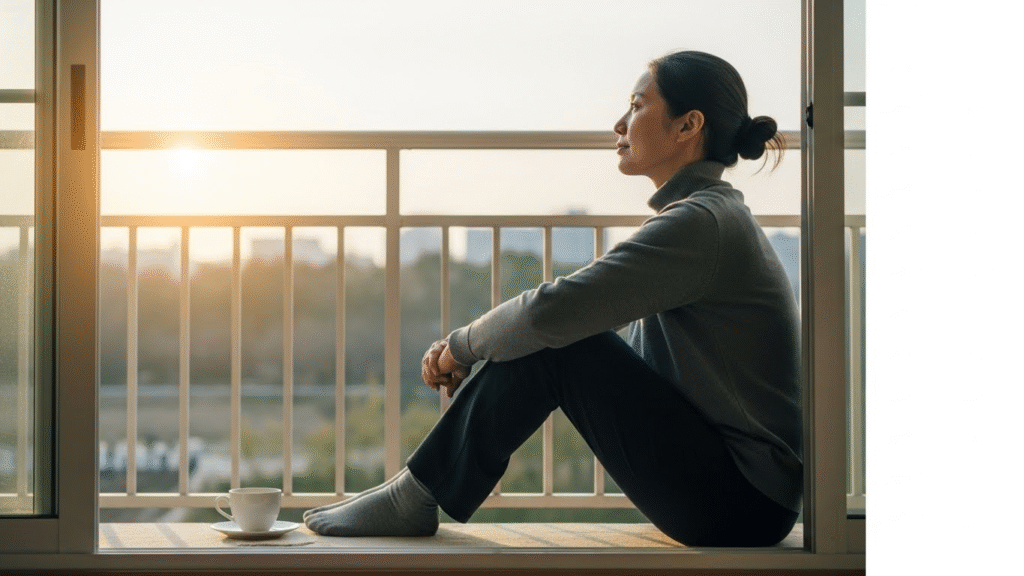
Patience is 80% mindset and 20% behavior.
If your thoughts become calmer, your reactions automatically follow.
Here are mindset shifts that build real patience:
1. “I don’t need instant results. Growth takes time.”
This removes unrealistic expectations and helps you stay consistent.
2. “Delays don’t hurt me my reaction does.”
You stop giving power to situations and take control of your emotions.
3. “This moment is teaching me something.”
Every delay becomes a lesson instead of an irritation.
4. “I choose peace over frustration.”
You remind your brain that calmness is a better strategy.
5. “Not everything is in my control and that’s okay.”
This is the foundation of emotional maturity.
Developing a patient mindset helps you:
- Reduce stress
- Improve your emotional health
- Strengthen your relationships
- Make better decisions
- Become more resilient
Why Does Patience Matter So Much?
Patience is not a soft skill it’s a life skill.
✔ Keeps your mind calm
✔ Protects your mental health
✔ Helps you handle conflict
✔ Makes relationships healthier
✔ Prevents emotional burnout
✔ Builds self-confidence
✔ Helps you achieve long-term goals
A patient person is emotionally powerful.
Examples of How Patience Helps in Real Life
🔹 In Relationships
You listen better, fight less, and understand more because patience makes healthy relationships stronger, calmer, and more emotionally connected.
🔹 In Career
You handle pressure calmly and grow faster.
🔹 In Personal Growth
You stay consistent long enough to see results.
🔹 In Mental Peace
You stop letting small things drain your energy.
Simple Ways to Practice Patience Daily
- Take slow breaths when irritation arises
- Pause before responding
- Stop expecting instant results
- Focus on progress, not perfection
- Redirect your attention during delays
- Practice gratitude in difficult moments
- Slow down your daily routine
- Celebrate small wins
Patience grows through practice one moment at a time.
Final Thoughts
Patience is not about waiting longer it’s about waiting wiser.
It’s a mindset that helps you respond to life with maturity instead of frustration.
When you develop patience, you don’t just improve your calmness you improve your entire life.
Becoming patient is one of the greatest gifts you can give to your mind, your relationships, and your personal growth.